Coconut Milk – A Creamy Staple in Global Cuisine
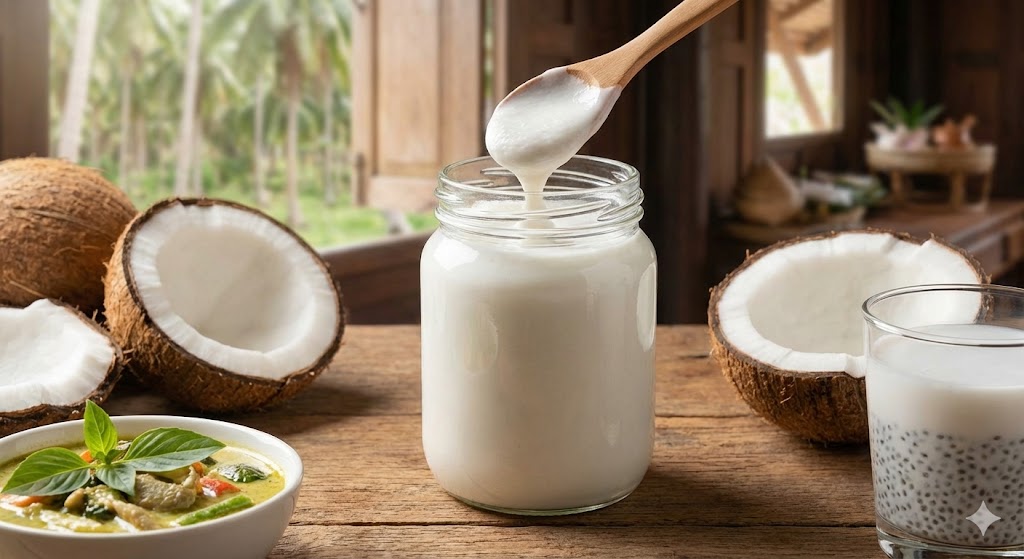
Coconut milk is no longer just a pantry item in Southeast Asian households. Today, it is a vital ingredient in food manufacturing, foodservice, and consumer-packaged goods across the globe. Whether it is used in Thai curries, plant-based beverages, or vegan desserts, the appeal lies in its creamy texture and naturally rich flavor.
As demand for dairy-free and plant-based alternatives continues to rise, coconut milk from Thailand has become a preferred choice for businesses worldwide. With a strong agricultural foundation, modern manufacturing processes, and internationally recognized certifications, Thailand is well-positioned as a top coconut milk supplier.
1. Sourcing Thai Coconuts
Thailand’s southern and central provinces are known for producing high-quality coconuts. Areas like Surat Thani and Prachuap Khiri Khan provide the ideal conditions for year-round coconut farming. The coconuts grown here are naturally sweet, aromatic, and high in fat—key traits that make them especially suitable for producing coconut milk.
Thai coconut farming benefits from:
- A consistent growing climate
- Experienced agricultural communities
- Reliable supply chains
The quality of raw coconuts directly affects the final product. When it comes to coconut milk, the flavor, aroma, and fat consistency all depend on the origin and freshness of the coconut.
2. Manufacturing Process Overview
Thai coconut milk manufacturers blend traditional methods with modern production lines to meet both domestic and international demand.
Key steps include:
- Extraction: Mature coconuts are de-husked, cracked, and pressed to extract rich coconut cream.
- Blending: The cream is blended to achieve the desired fat content. This can range from light milk to full-fat cream.
- Sterilization: Thermal process treatment ensures food safety and extends shelf life while preserving natural flavor.
- Packaging: The final product is packed in cans, UHT cartons, or bulk containers depending on customer requirements.
Manufacturing operations in Thailand focus on taste and quality, supply consistency, hygiene, and scalability. This allows suppliers to serve a wide range of clients—from large supermarkets to specialty food manufacturers.
3. Quality Certifications
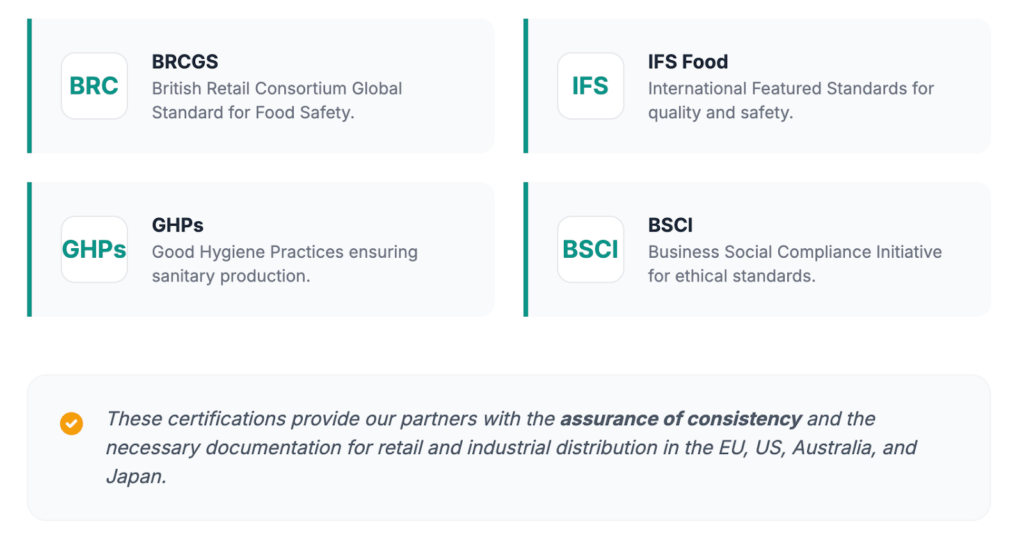
Thai coconut milk manufacturers adhere to strict quality assurance protocols to ensure product safety and compliance with international standards. Reputable suppliers typically hold:
- BRC (British Retail Consortium)
- IFS (International Featured Standards)
- GHPs (Good Hygiene Practices)
- BSCI (Business Social Compliance Initiative)
These certifications demonstrate a manufacturer’s ability to:
- Maintain food safety standards across the production process
- Comply with import regulations in global markets such as the EU, United States, and Australia
- Meet ethical and environmental standards
Working with certified coconut milk producers in Thailand offers assurance to retailers and distributors that the products meet regulatory requirements.
4. Coconut Milk Formats and Fat Content Options
Coconut milk is used in diverse food applications, which is why Thai manufacturers offer a variety of formats and fat percentages to meet different needs.
Fat content options:
- 5–7% fat: Ideal for beverages and low-fat recipes
- 17–19% fat: Common for everyday cooking and baking
- 20–22% fat: Suitable for rich curries and desserts
Packaging formats:
- Canned coconut milk: Standard for retail and wholesale
- UHT cartons: Preferred for household convenience and beverage use
- Bulk containers or pouch packs: Suitable for central kitchen for chain restaurants and industrial manufacturing
This range of options allows food brands, retailers, and manufacturers to select the most suitable coconut milk based on recipe requirements, cost, and target audience.
5. Key Business Applications
Coconut milk from Thailand is widely used across different industries. Its versatility and natural qualities make it a go-to ingredient for:
Retail and Supermarkets:
- Sold under private labels and house brands
- Popular in vegan, organic, and international food categories
Foodservice:
- Used in individual restaurants, chain restaurants, cafes, chain beverage shops and hotels
- Essential for Asian dishes, soups, desserts, and drinks
Industrial and Ingredient Use:
- Incorporated into sauces, ready-to-eat meals, desserts, and plant-based dairy alternatives
Thanks to scalable production and consistent supply, Thai coconut milk manufacturers can accommodate both large and small business needs.
Why Work with a Thai Coconut Milk Manufacturer
Choosing the right manufacturing partner is crucial for businesses that depend on consistent quality and timely delivery. Thailand offers several advantages as a coconut milk supplier:
- Stable coconut production throughout the year
- Strict adherence to global food safety standards
- Customization options for OEM and private label production
- Competitive pricing and export readiness
If your business is seeking to expand in the dairy alternative or plant-based food segments, sourcing coconut milk from Thailand is a practical and strategic decision.
Explore our coconut milk products here:
https://erawanfood.com/product-categories/coconut-milk/
Combining Quality, Consistency, and Supply Chain Confidence
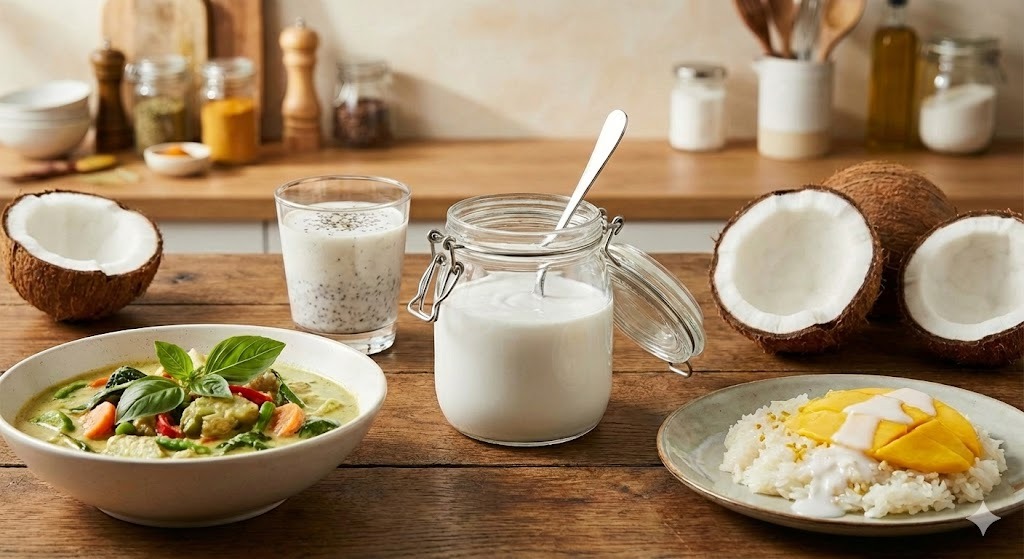
Thai coconut milk has earned its reputation as a staple in international food markets. From sourcing and production to export, Thailand delivers a product that meets the highest standards in quality and consistency.
Whether you’re developing a private label product, scaling your foodservice offering, or supplying ingredients to global brands, coconut milk from Thailand offers the reliability your business needs.
Looking for a reliable coconut milk manufacturer from Thailand?
Get in touch with our team to discuss OEM capabilities, wholesale pricing, and fast international shipping.
Explore our range here:
https://erawanfood.com/product-categories/coconut-milk/
Frequently Asked Questions (FAQ)
What makes Thai coconut milk unique?
Thai coconuts offer naturally high fat content and a rich, aromatic flavor. This enhances the final product’s quality, especially in culinary applications.
What is the typical shelf life of canned coconut milk?
Canned and UHT coconut milk can typically last between 24 to 36 months when stored properly.
Can I customize fat percentage or packaging formats?
Yes. Manufacturers in Thailand often offer OEM services, allowing you to tailor fat levels, can sizes, and branding.
Is coconut milk from Thailand suitable for vegan markets?
Absolutely. It is 100 percent plant-based and commonly used in dairy-free recipes and vegan products.