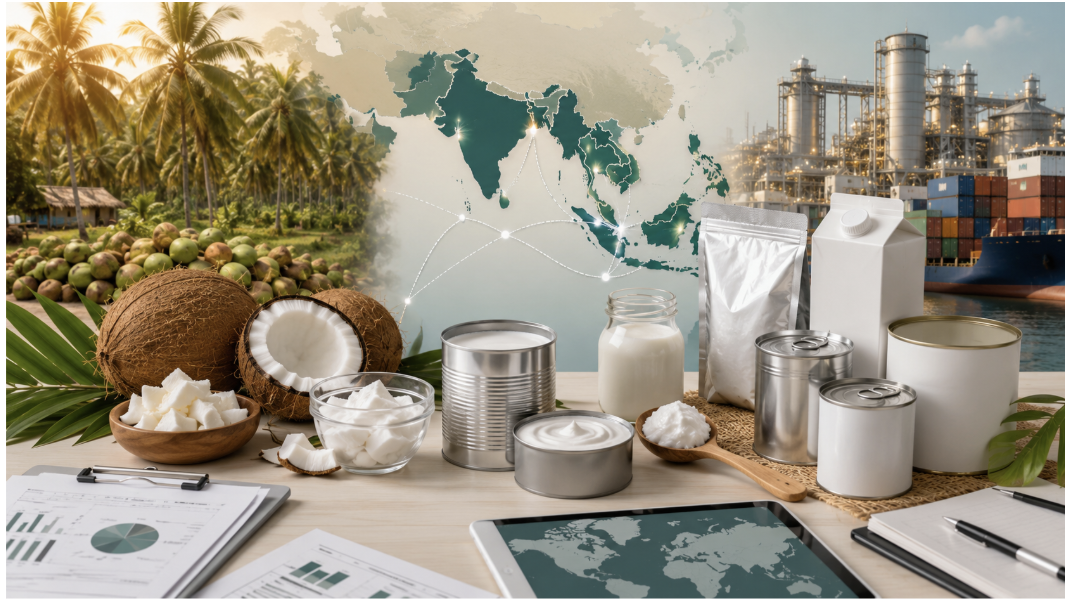
Sri Lanka Coconut Milk vs Thailand: A B2B Sourcing Guide
Sri Lanka coconut milk and Thailand coconut milk are sourced from two of Asia’s most recognized coconut-producing countries, supplying coconut-based products to food manufacturers, distributors, retailers, and foodservice operators worldwide. For businesses sourcing coconut milk, choosing the right supplier involves more than comparing prices or product labels. Factors such as product consistency, manufacturing standards, export experience, and supply reliability can all influence long-term success.
As demand for plant-based ingredients continues to grow, coconut milk has become an essential ingredient across retail, foodservice, beverage, and food manufacturing sectors. Whether used in curries, dairy alternatives, desserts, or ready-to-drink products, sourcing decisions can impact everything from formulation consistency to supply chain efficiency.
This guide provides a practical comparison of Sri Lanka coconut milk and Thailand coconut milk from a B2B sourcing perspective, helping buyers evaluate factors that matter most when selecting a manufacturing partner.
Why Coconut Milk Origin Matters
The origin of coconut milk can influence several aspects of a buyer’s sourcing strategy.
Raw material availability, manufacturing capabilities, logistics infrastructure, and regulatory compliance all play a role in determining whether a supplier can support long-term business requirements.
For importers and food manufacturers, key considerations often include:
- Consistent raw material supply
- Product quality and specifications
- Food safety certifications
- Packaging options
- Export documentation support
- OEM and private label capabilities
- Supply chain reliability
Rather than focusing solely on country of origin, many buyers evaluate the complete manufacturing ecosystem behind the product.

Sri Lanka Coconut Milk Overview
Sri Lanka has a long history of coconut cultivation and is widely recognized for its coconut-based food industry. Coconut products play an important role in both local consumption and export markets.
Sri Lankan manufacturers produce a range of coconut products including:
- Coconut milk
- Coconut cream
- Desiccated coconut
- Coconut oil
- Coconut water
The country’s coconut sector is supported by generations of farming expertise and a strong connection to coconut cultivation.
Sri Lanka coconut milk is commonly used across foodservice, retail, and industrial applications, particularly in markets that value coconut-derived ingredients.
For buyers evaluating Sri Lankan suppliers, product specifications, certifications, manufacturing capabilities, and export experience should be assessed on a supplier-by-supplier basis.
Thailand Coconut Milk Overview
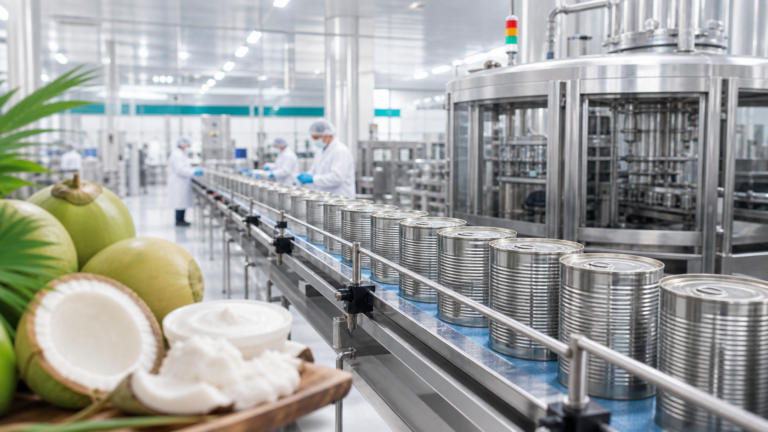
Thailand is one of the world’s leading producers and exporters of coconut milk products. The country has developed a highly integrated food manufacturing industry supported by modern processing facilities, export infrastructure, and international food safety standards.
Thailand’s coconut-growing regions provide access to raw materials used for:
- Canned coconut milk
- Coconut cream
- UHT coconut milk
- Coconut beverages
- Private label coconut products
In addition to coconut cultivation, Thailand has built a strong reputation as a global food manufacturing hub. Many manufacturers serve customers across Europe, North America, the Middle East, Australia, and Asia.
This export-oriented environment has helped drive innovation in packaging formats, OEM programs, and product development services.
Comparing Product Formats
Product availability often varies by manufacturer. However, buyers frequently compare the following categories when evaluating suppliers.
| Product Format | Sri Lanka | Thailand |
| Canned Coconut Milk | Available | Available |
| Coconut Cream | Available | Available |
| UHT Coconut Milk | Supplier dependent | Widely available |
| Retail Packaging | Available | Available |
| Foodservice Formats | Available | Available |
| Industrial Packaging | Supplier dependent | Available |
| OEM & Private Label Programs | Supplier dependent | Widely available |
The most important consideration is whether a specific supplier can meet the packaging, formulation, and market requirements of your business.
What Certifications Should a Coconut Milk Manufacturer Have?
Buyers should look for manufacturers that maintain internationally recognized certifications such as BRC, IFS, HACCP, and GHPs. Certification requirements may vary depending on the destination market and customer specifications.
Export Readiness and Global Distribution
Export readiness can significantly affect sourcing efficiency.
For international buyers, evaluating a manufacturer’s export experience is often just as important as evaluating the product itself.
Key factors include:
- Export documentation support
- Packaging compliance
- Labeling requirements
- Logistics coordination
- International market experience
Thailand’s position as a major food export hub provides access to established logistics networks and export infrastructure. Many Thai manufacturers have extensive experience serving global customers and supporting market-specific requirements.
However, export capabilities should always be evaluated at the supplier level.
OEM and Private Label Opportunities

Private label and OEM manufacturing continue to grow across retail and foodservice markets.
Many brands are seeking suppliers that can support:
- Customized formulations
- Private label packaging
- Market-specific labeling
- Product development
- Brand expansion initiatives
This is particularly relevant for:
- Supermarket chains
- Foodservice distributors
- Beverage brands
- Plant-based product companies
- Importers and wholesalers
Thailand’s manufacturing sector has developed strong capabilities in OEM and private label production, making it a popular sourcing destination for businesses looking to launch or expand coconut-based product lines.
Explore our coconut milk solutions here: https://erawanfood.com/product-categories/coconut-milk/
Which Option Is Right for Your Business?
There is no single answer that fits every sourcing strategy.
Sri Lanka may be a suitable option for businesses with existing supplier relationships or specific sourcing preferences.
Thailand may be attractive for buyers looking for:
- Diverse product formats
- Established export infrastructure
- Multi-category sourcing opportunities
- OEM and private label support
- Broad international market experience
Ultimately, the best choice depends on your business objectives, product requirements, and supplier evaluation criteria.
Why Global Buyers Work with Erawan Food
Erawan Food is a Thailand-based manufacturer and exporter with more than 70 years of industry experience. Since 1951, the company has supported customers across more than 50 countries worldwide.
Our product portfolio includes:
- Coconut milk
- Coconut cream
- Canned fruits
- Canned vegetables
- Plant-based products
- OEM and private label solutions
By combining manufacturing expertise with export experience, Erawan Food supports customers looking for reliable sourcing partners in international markets.
Explore Coconut Milk Solutions from Thailand
Looking for a coconut milk manufacturing partner in Thailand?
Explore our coconut milk products: https://erawanfood.com/product-categories/coconut-milk/
Learn more about Erawan Food: https://erawanfood.com/about-us/
Contact our team to discuss:
- Product specifications
- OEM projects
- Private label opportunities
- Export requirements
https://erawanfood.com/contact-us/
Email: [email protected]
Address: 88 All Erawan Building, Industrial Ring Road, Chongnonsee, Yannawa, Bangkok 10120, Thailand
Office Tel: +66 2 681 0251-59
Sales Team: +66 86 900 7777
Frequently Asked Questions
What is the difference between Sri Lanka coconut milk and Thailand coconut milk?
Both countries produce coconut milk products for international markets. Differences often depend on the manufacturer, product specifications, certifications, and packaging formats rather than country alone.
Which country exports more coconut milk products?
Thailand is widely recognized as a major exporter of coconut milk and coconut-based products. Export volumes and product categories vary by market and supplier.
What certifications should a coconut milk manufacturer have?
Common certifications include BRC, IFS, HACCP, GHPs, and other standards required by specific export markets.
Can coconut milk be supplied under a private label?
Yes. Many manufacturers offer OEM and private label services, allowing businesses to develop branded coconut milk products.
What formats are available for coconut milk?
Common formats include canned coconut milk, coconut cream, UHT coconut milk, foodservice packaging, and industrial packaging.
How should buyers evaluate coconut milk suppliers?
Buyers should assess certifications, manufacturing capabilities, product consistency, export experience, packaging options, and long-term supply reliability.