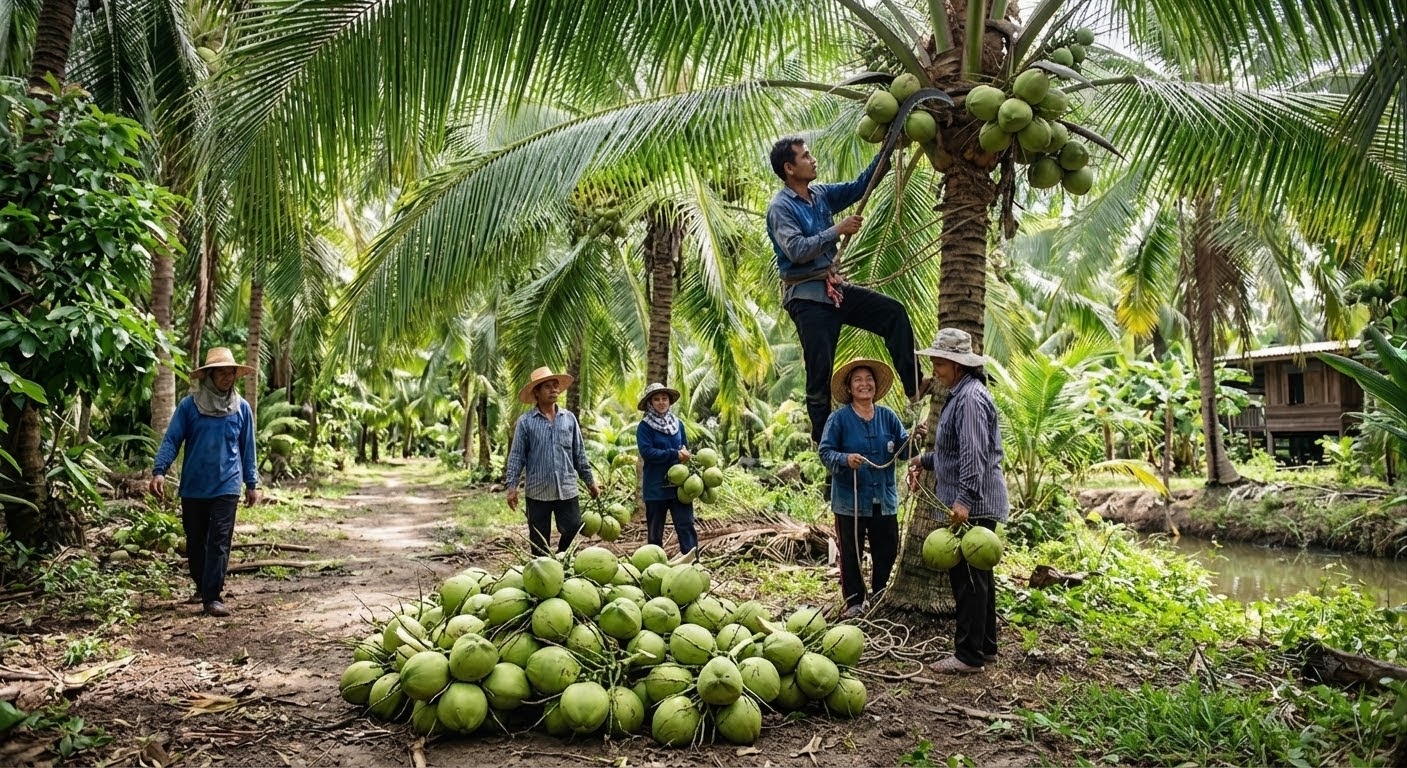
Why Thailand is a Prime Source for Coconut Milk – Especially Near Bangkok
Coconut milk from Thailand has earned a strong reputation in global markets for its quality, consistency, and export reliability. As demand for plant-based ingredients continues to grow across retail, foodservice, and industrial sectors, Thailand remains one of the most trusted sources for coconut-based products.
The country’s tropical climate, established agricultural systems, and advanced food processing infrastructure allow Thai manufacturers to produce coconut milk that meets international standards. In particular, manufacturers located near Bangkok benefit from logistical advantages that streamline exports and reduce supply chain complexity.
For businesses seeking a reliable coconut milk manufacturer, proximity to Bangkok offers unique operational efficiencies. Companies such as Erawan Food operate within reach of major ports, airports, and food processing zones, making it easier to coordinate international shipments while maintaining strict quality control.
Benefits of Manufacturing Near Bangkok
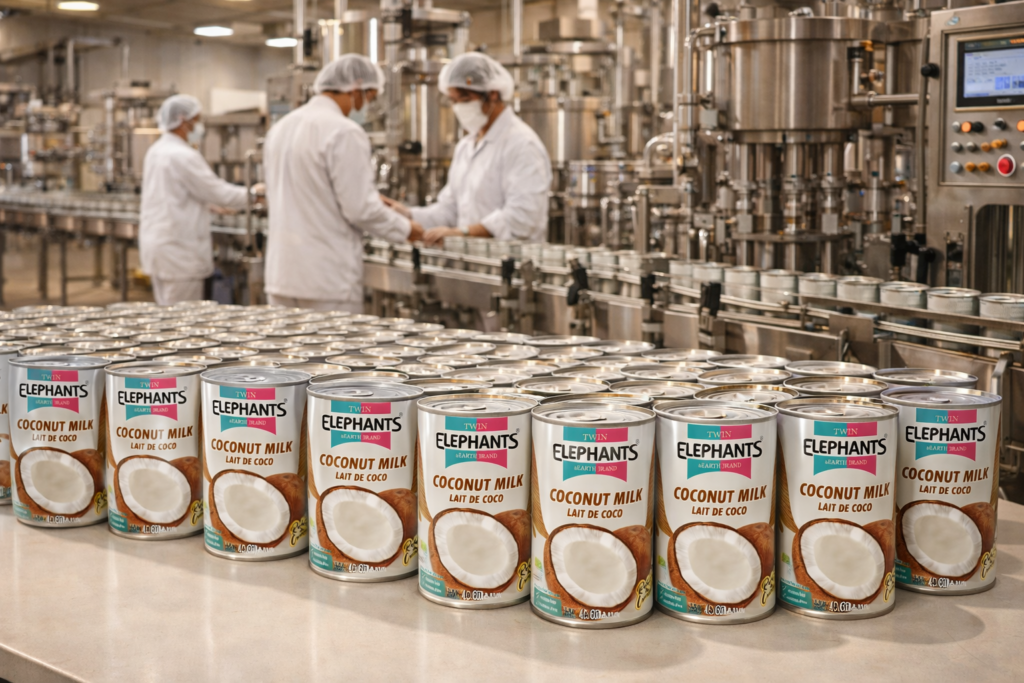
Location plays a strategic role in the coconut milk supply chain. Being near Bangkok offers several measurable advantages for international buyers and brand owners.
First, access to global shipping routes is essential. Bangkok connects directly to major sea freight ports and international airports, enabling faster and more cost-effective exports to Europe, North America, Japan, Australia, and the Middle East. For importers managing tight retail schedules or seasonal demand spikes, this logistical efficiency reduces lead times and improves planning accuracy.
Second, proximity to both central and southern coconut farms strengthens raw material sourcing. Thailand’s southern provinces are known for producing coconuts with naturally high fat content and aromatic profiles. Being within practical distance of these farming regions shortens the supply chain, which helps preserve freshness and minimizes sourcing delays.
Third, Bangkok’s established food manufacturing zones provide access to skilled labor and advanced processing facilities. The region has decades of experience in export-oriented food production, meaning quality assurance systems, hygiene standards, and operational protocols are already aligned with global expectations.
For buyers comparing sourcing destinations, these factors collectively reduce risk and enhance supply reliability.
Partner with Us: Start Your Private Label Journey
For businesses looking to launch or scale their own OEM Canned Coconut Milk brand, Erawan Food is more than just a manufacturer—we are your strategic partner.
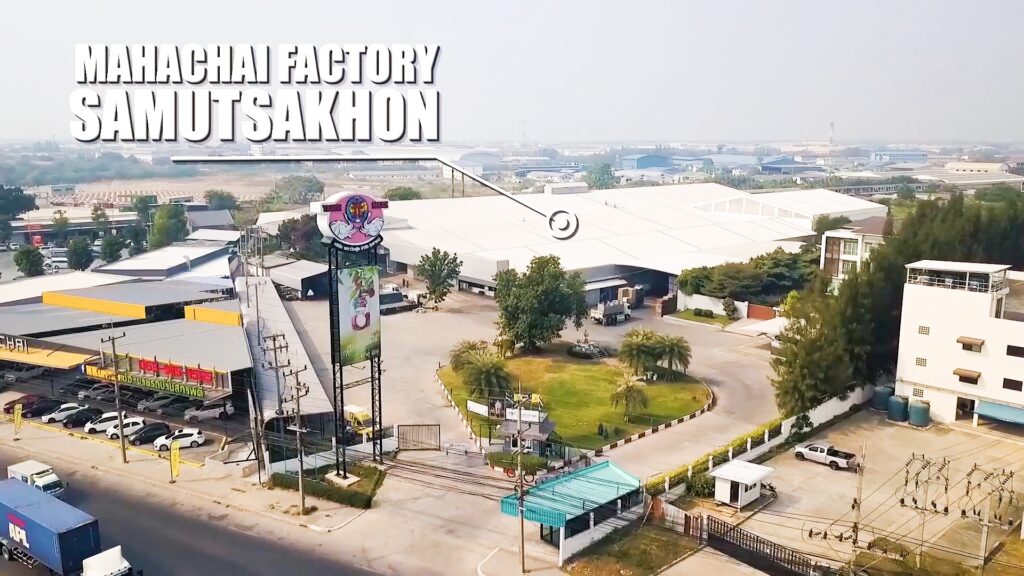
We invite you to schedule a factory visit at our Bangkok-based facility to see our advanced production lines in action and discuss your brand’s specific requirements. Our team of industry experts is ready to provide comprehensive consultations, from custom fat-ratio formulations to packaging solutions tailored to your market.
How Coconut Milk Is Produced in Thailand
Understanding the production process helps explain why coconut milk from Thailand is trusted worldwide.
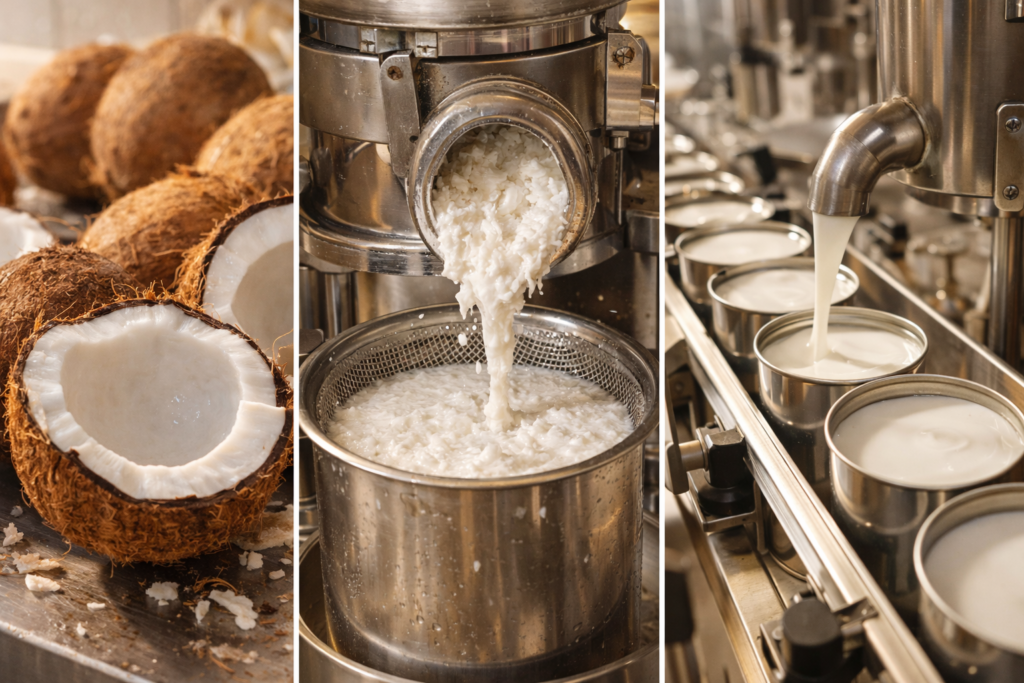
The process begins with fresh coconuts that are de-husked and cracked open. The white coconut meat is then carefully extracted and pressed to obtain coconut cream. This cream is blended to achieve specific fat content levels depending on product requirements.
Manufacturers typically offer several fat percentage options:
- 5 to 7 percent for lighter beverage applications
- 17 to 19 percent for general cooking use
- 20 to 22 percent for rich coconut cream formulations
After blending, the product undergoes sterilization or UHT treatment. This step ensures microbiological safety and extends shelf life without requiring refrigeration before opening.
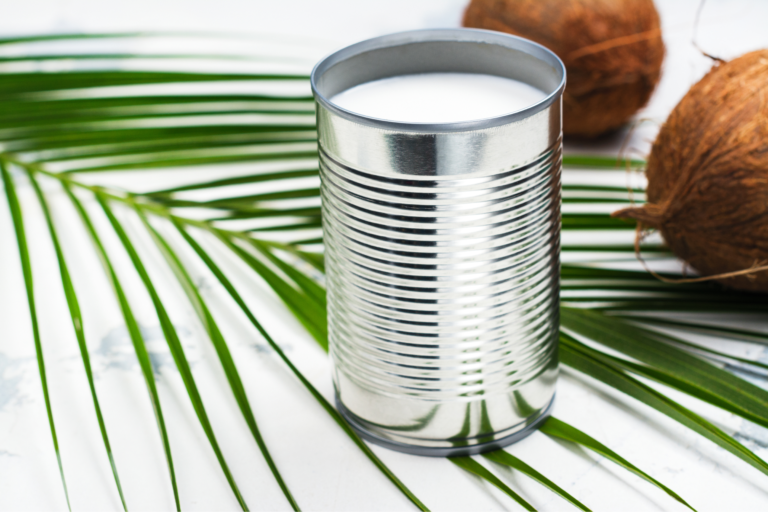
Packaging options vary according to market needs. Coconut milk may be packed in standard metal cans for retail distribution, or industrial bulk formats for large-scale food manufacturing.
Leading coconut milk manufacturers in Thailand also align production schedules with client forecasts. This flexibility allows brands to adjust volume during peak seasons or promotional campaigns without sacrificing quality consistency.
International Certifications and Quality Standards
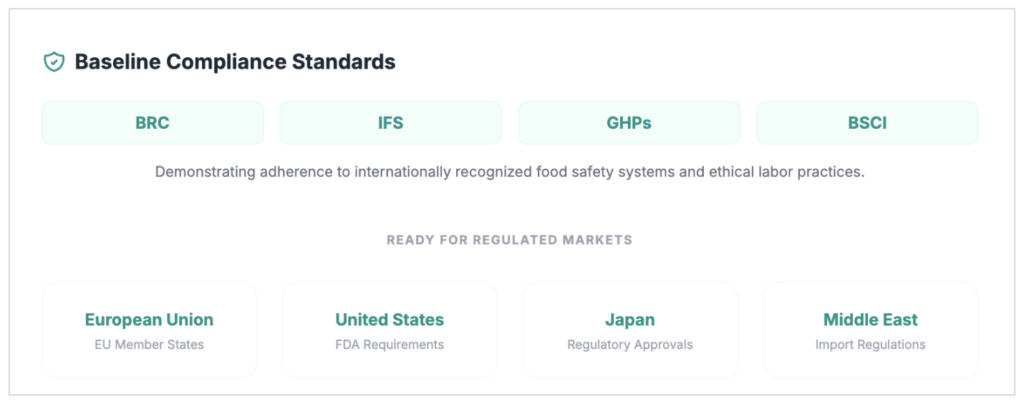
Global buyers require more than just good taste. Compliance with food safety and social responsibility standards is now a baseline expectation.
Reputable Thai coconut milk facilities hold certifications such as BRC, IFS, GHPs, and BSCI. These certifications demonstrate adherence to internationally recognized food safety systems and ethical labor practices.
For companies exporting to regulated markets, these credentials simplify customs clearance and regulatory approvals. Products certified under these standards are generally suitable for export to:
- European Union member states
- United States under FDA requirements
- Japan
- Middle Eastern countries with strict food import regulations
Traceability systems are another key strength. Lot tracking, supplier documentation, and internal audits allow procurement teams to verify sourcing and quality at every stage of production.
This comprehensive documentation fosters greater confidence among manufacturers and their international collaborators, which is vital in today’s market where purchasing choices are heavily shaped by transparency.
Business Applications Across Industries
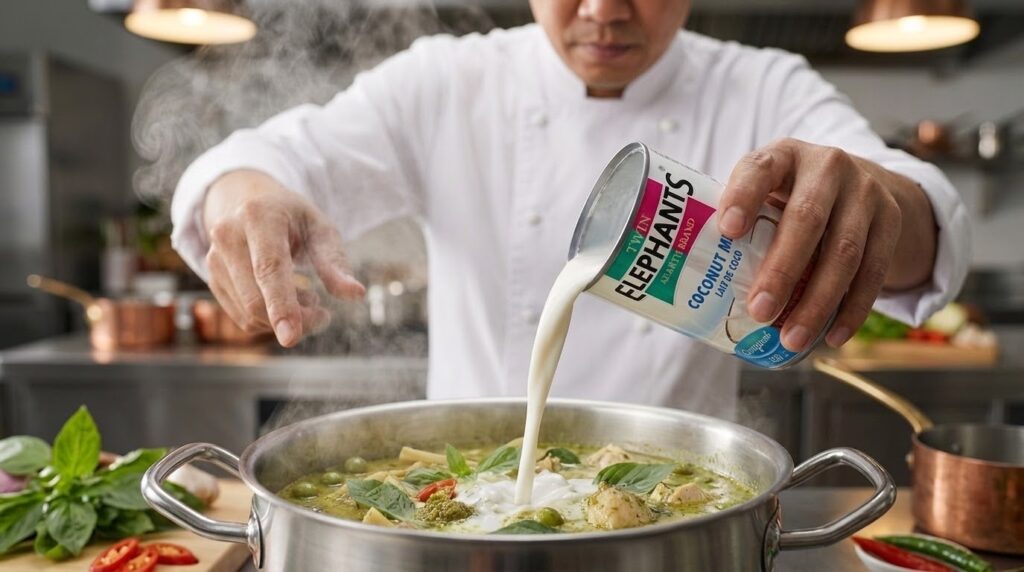
Coconut milk from Thailand serves diverse industries and product categories. Its versatility makes it a valuable ingredient for both established brands and emerging startups.
Retail and Private Label
Supermarkets and specialty stores often develop house brands to strengthen customer loyalty and improve margins. Partnering with a coconut milk manufacturer near Bangkok enables retailers to create private label products that meet local labeling requirements and consumer taste preferences.
Foodservice and Hospitality
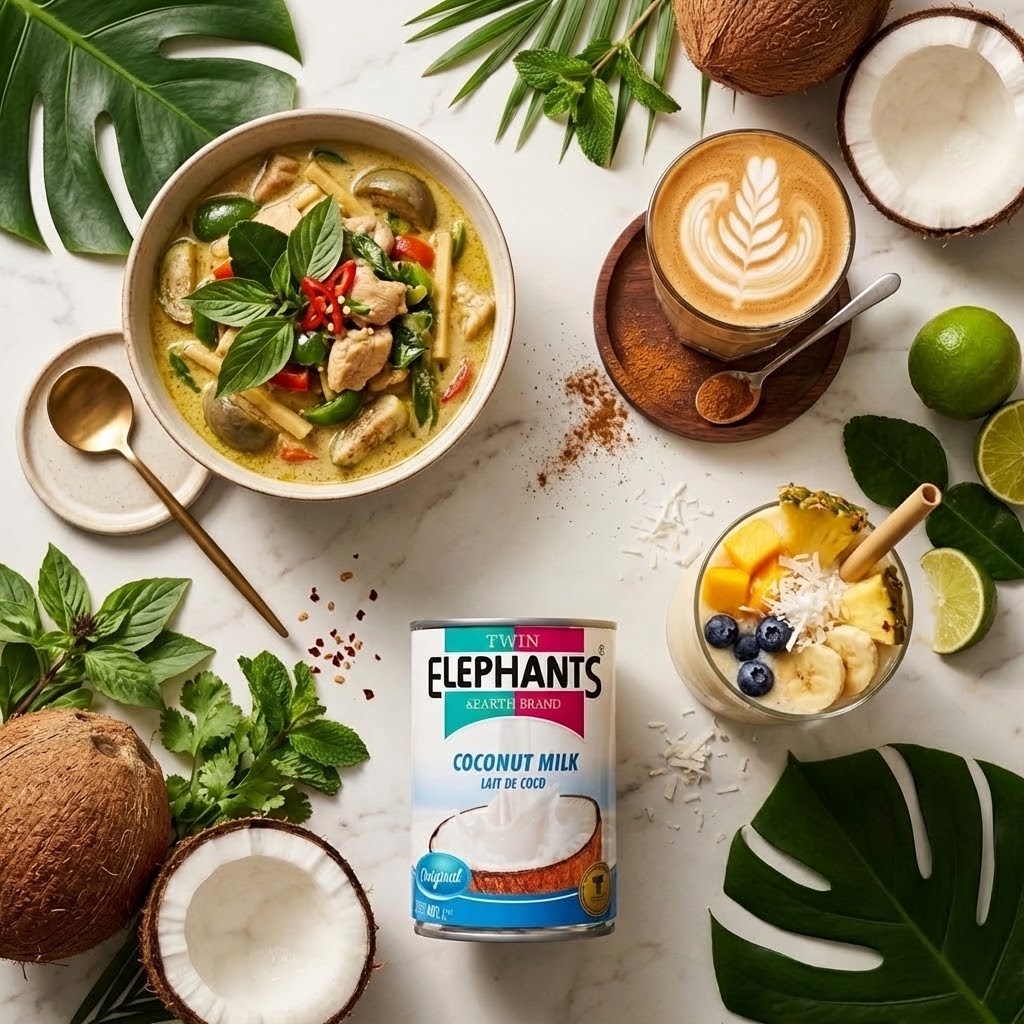
Restaurants, hotel chains, and catering services rely on consistent ingredient quality. Coconut milk is widely used in curries, soups, desserts, and increasingly in dairy-free beverages. Stable supply, consistent taste and uniform fat content are critical in professional kitchens.
OEM and Product Innovation
OEM production is particularly important for plant-based beverage companies and dessert brands. Custom fat ratios and tailored formulations allow businesses to differentiate their offerings. A manufacturer with flexible blending capabilities supports innovation in coconut-based lattes, smoothies, frozen desserts, and functional drinks.
For brands focused on scaling internationally, working with an experienced coconut milk manufacturer in Thailand reduces development time and ensures compliance across markets.
Why Strategic Location Matters in Global Trade
Bangkok’s infrastructure plays a decisive role in Thailand’s competitiveness. The city’s connectivity supports both sea and air freight, enabling efficient distribution to global markets.
Being near the capital also facilitates communication and coordination with export authorities, freight forwarders, and regulatory agencies. This administrative efficiency can shorten documentation processing times and improve delivery predictability.
For importers evaluating total landed cost rather than just factory price, these logistical advantages translate into tangible savings.
Partnering with a Bangkok-Based Coconut Milk Manufacturer
Choosing the right coconut milk manufacturer involves assessing more than price. Factors such as supply stability, regulatory compliance, traceability, and export experience significantly impact long-term success.
A Bangkok-based manufacturer like Erawan Food combines agricultural proximity with export infrastructure. Its operational model emphasizes quality sourcing, certified production, and flexible packaging formats suitable for retail, foodservice, and OEM programs.
Businesses seeking coconut milk from Thailand can explore product specifications, packaging options, and export capabilities through the official product page:
https://erawanfood.com/product-categories/coconut-milk/
Companies interested in requesting samples, reviewing pricing tiers, or discussing OEM collaboration are encouraged to contact the team directly to align specifications with market requirements.
Ready to elevate your product line with premium Thai coconut milk?
Whether you are looking for a reliable OEM partner for your private label or high-quality bulk ingredients for food manufacturing, our team is ready to assist.
- Request a Sample: Experience the Erawan quality firsthand.
- Custom Formulations: Talk to our R&D about specific fat percentages (5% to 22%).
- Logistics Consultation: Let us help you plan the most efficient shipping route to your destination.
Contact Erawan Food
Email: [email protected]
Address: 88 All Erawan Building, Industrial Ring Road, Chongnonsee, Yannawa, Bangkok 10120, Thailand
Office Tel: +66 2 681 0251–59 Sales Team: +66 86 900 7777
Frequently Asked Questions
Why is coconut milk from Thailand considered high quality?
Thai coconuts are naturally aromatic and high in fat content. Combined with certified processing facilities, this ensures consistent texture and flavor.
What fat percentage options are available?
Most manufacturers offer 5 to 7 percent, 17 to 19 percent, and 20 to 22 percent fat options depending on application needs.
Is Thai coconut milk suitable for export to regulated markets?
Yes. Certified manufacturers meet BRC, IFS, GHPs, and BSCI standards, supporting exports to the EU, US, Japan, and the Middle East.
Can I develop a private label coconut milk product?
Yes. OEM and private label services allow brands to customize formulation, packaging, and labeling for specific markets.
What packaging formats are available?
Coconut milk can be packed in retail cans, UHT cartons, or bulk formats for industrial use.